Oct 19, 2026Buying Guides
How to choose the suitable yarn for your cord products
How to choose the suitable yarn for your cord products
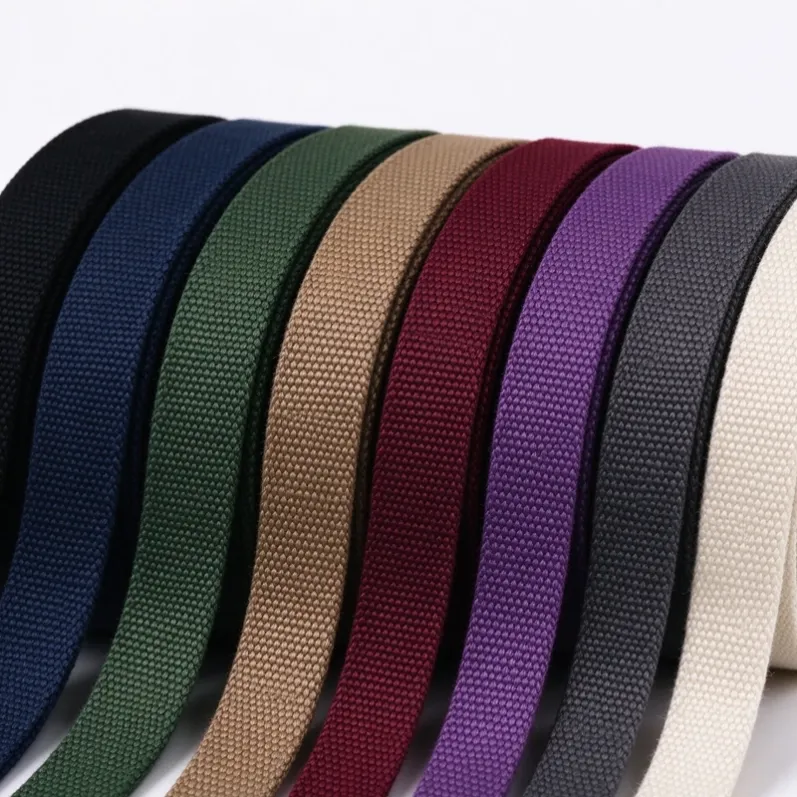
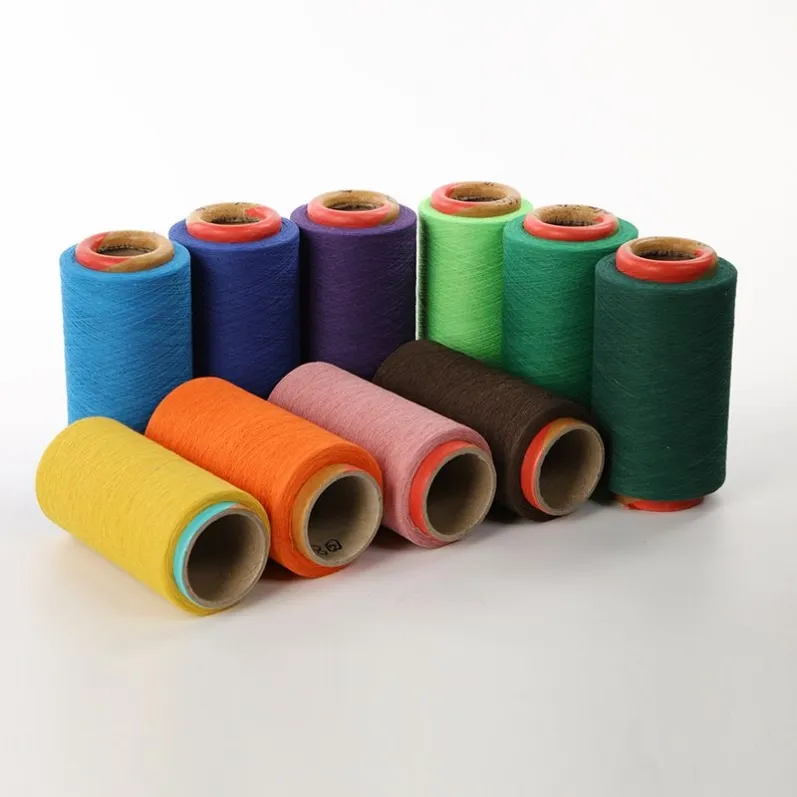
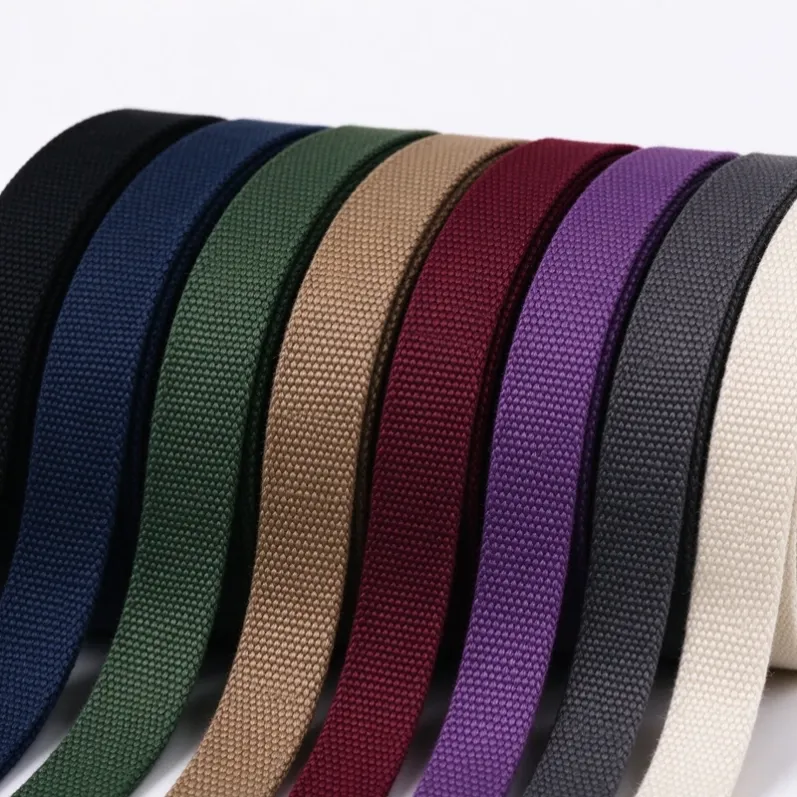
Yarn selection is one of the most consequential decisions for manufactures of cord products . It determines the breaking strength of the finished tape, the color consistency, and the cost per meter that ultimately decides whether a quote wins or loses.
Poly-Cotton vs. 100% Polyester OE Yarn for Webbing
Both polyester-cotton blends and 100% polyester are widely used in cord production line. The choice between them is not about which is "better"—it is about matching the yarn's properties to the end-use requirements of the webbing product.
Price
By only considering the two types of yarn: Poly/cotton and 100% polyester OE yarn, the first one gains more competitive price
Polyester/cotton OE yarn generally sits at low to medium price point in the webbing yarn market. Polyester/cotton yarn is widely used as weft yarn, which do not bare too much the strength but stands more volume for the whole cord. So by lowering the price for the weft yarn can do a lot for lowering the price for the finish products.
Typically 70/30 Poly/cotton yarn is the most competitive choice, for not only the strength control, but also the price consideration.
Practical takeaway: If the webbing is a commodity product where every cent per meter matters and the application does not demand a soft hand feel, 100% polyester OE yarn is the more economical starting point. Poly-cotton justifies its premium only when the product needs the specific performance characteristics described below.
Tensile Strength
Tensile performance is where the two yarn types diverge most sharply, and the difference has direct implications for webbing safety margins.
Due to the different composition content for 100% polyester yarn and polyester/cotton yarn, the first one gains better strength data than the second one. Which decide the totally different suitable usage for these two types of articles.
By holding the most strength stress of the finish products, the warp yarn need to have a better strength data in order to support the final cord. So 100% polyester yarn would the first choice. Not only considering the final usage strength need, but also the machine strength need during production.
While the poly/cotton yarn could be more suitable to bare the weft part, which do not have a typical request for high strength.
Practical takeaway: Use poly-cotton for fashion webbing, bag handles, garment trims, and decorative tapes where the load-bearing requirement is light. Use 100% polyester for cargo straps, safety webbing, outdoor gear.
Color
Color behavior is the third deciding factor, and here poly-cotton and pure polyester require fundamentally different dyeing approaches.
Due to the special features for recycled yarn, the raw material need to be mixed properly at the first beginning. The poly/cotton yarn need more different content to be mixed in order to archive different data request. So the color for this yarn would not be as good and shinning as 100% polyester yarn.
In this case, we need to choose them base on the detail request from the terminal customer. If the main request from the customer is to have beautiful and bright colors, 100% polyester yarn would the first choice.
Why Recycled OE Yarn Is the Right Choice for Webbing
What’s more, recycled yarn also have other features which could be your reason to choose as webbing yarn.
- Hand Touching&abrasion resistant
Recycled OE yarn has a tougher hand touching feeling than other yarns. This may not be a goo d point for other products, but it is a shinning point for webbing. Some of the tapes request to have a strong hand touching, so the product could be strong enough for daily use and also to make a good shape. Recycled OE yarn can brings very good effect for this request.
What’s more, by using yarn under count Ne10s, which is thicker yarn, makes the products better abrasion resistant. For most of the daily use bags, handles, tapes for trousers or shoes, abrasion resistant means a lot tot eh people who use them daily.
- Competitive price
The area or number of using weft yarn could be larger more than warp yarn, which makes the weft yarn stands a big percentage of the price. If we choose high price yarns for both, the final price could be a problem for us to solve. But if we choose a more competitive price yarn for the weft yarn, the final price could be lowered a lot by considering the high percentage of using.
The most successful webbing manufacturers do not treat yarn selection as a fixed decision. They maintain relationships with OE yarn suppliers who can deliver consistent quality across recycled, poly-cotton, and pure polyester specifications, and they match the yarn to the product rather than forcing the product to fit a single yarn. In a market where margins are thin and customer expectations for both performance and sustainability are rising, that flexibility is not a luxury—it is a competitive necessity.